Posted on 8/28/2026
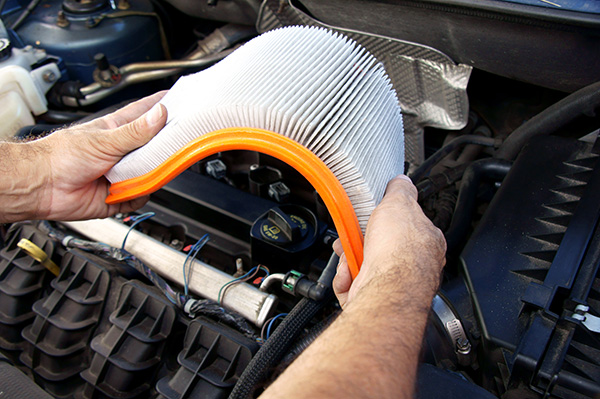
Your engine needs a steady supply of clean air to burn fuel properly. The engine air filter sits at the entrance to the intake system and traps dust, pollen, sand, insects, and other debris before they can reach the throttle body, sensors, cylinders, and other internal components. There is no single replacement interval that works for every vehicle. Some manufacturers recommend a specific mileage, while others call for checking the filter periodically and replacing it when needed. Where you drive, how often you drive, and the design of the intake system can all change how quickly a filter becomes restricted. Start With the Manufacturer’s Schedule The owner’s manual is the best place to find the recommended service interval for your particular vehicle. Depending on the model, the filter may be scheduled for replacement somewhere around 15,000 to 30,000 miles, although some vehicles can go longer under favorable conditions. Mileage is only part of the pic ... read more
Posted on 7/31/2026
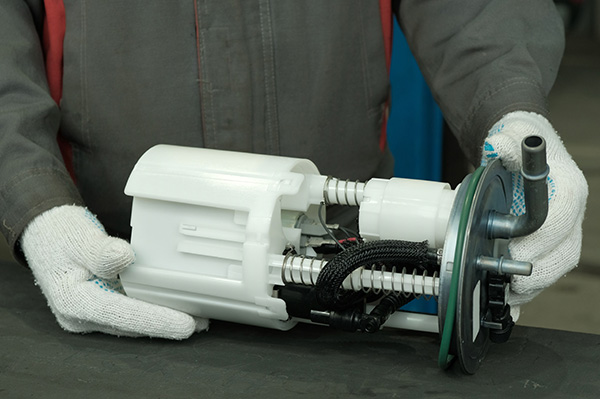
Fuel delivery problems rarely begin with a complete failure. A vehicle may take a little longer to start, hesitate during acceleration, or feel weaker when climbing a hill. Because the engine still runs, those early changes are easy to blame on old spark plugs, poor fuel, or normal wear. The fuel pump and fuel filter work closely together, so their symptoms can overlap. One supplies pressure and volume from the tank, while the other keeps dirt and debris from reaching the injectors. Finding out which part is causing the problem takes more than judging how the car feels. How The Fuel Pump And Filter Work Together The fuel pump draws gasoline from the tank and sends it toward the engine at a controlled pressure. On many modern vehicles, the pump is located inside the fuel tank and is cooled by the fuel around it. The engine computer and pressure regulator then help manage how much fuel reaches the injectors. The fuel filter catches contamination before it can enter t ... read more
Posted on 6/26/2026
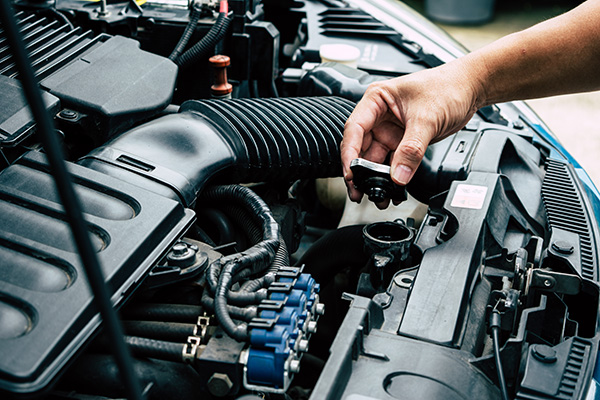
Coolant does more than keep the engine from overheating. It also helps protect the radiator, water pump, heater core, hoses, seals, and internal engine passages from heat, corrosion, and buildup. When coolant gets old or contaminated, the cooling system can lose some of that protection. A coolant system flush can help when the fluid is dirty, weak, rusty, or past its service life. It is not a magic fix for every cooling system problem, but it can be an important part of keeping the system clean and better protected. The key is knowing when a flush makes sense and when the vehicle needs repair first. What A Coolant System Flush Does A coolant system flush removes old coolant and helps clear out contamination from the cooling system. Fresh coolant is then added in the correct type and mixture for the vehicle. The goal is to restore better corrosion protection, heat transfer, and coolant quality. Over time, coolant can become acidic, dirty, or weak. It can collect rus ... read more
Posted on 5/29/2026
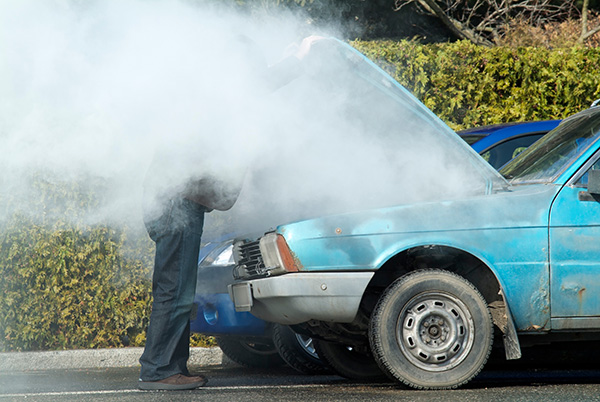
Heat has a way of finding the weak spot in a car. The same vehicle that felt fine in mild weather can start creeping toward the hot side in traffic, especially with the A/C running and the pavement cooking beneath it. That is usually not bad luck. High outside temperatures make every part of the cooling system work harder. If the coolant is low, the fan is weak, the radiator is restricted, or a hose is close to failing, summer driving will usually expose it. Why Heat Finds Cooling System Weak Spots Your engine already creates plenty of heat on its own. The cooling system’s job is to remove that heat, move it through the radiator, and keep the engine within a safe operating range. Hot weather gives the system less room to recover. Traffic makes it worse. At highway speed, air moves through the radiator naturally. At a stoplight or in slow traffic, the cooling fans have to do most of the work. If the fans are weak, the radiator is dirty, or the coolant is not ... read more
Posted on 4/30/2026
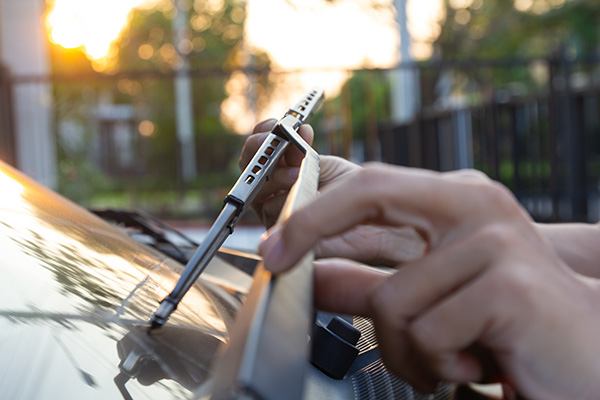
We’ve all had that moment. You’re driving home after a long shift, the sky turns that bruised shade of purple, and suddenly the floodgates open. You flip your wiper switch to high, expecting a clear view, but instead, you get a thump-thump and a windshield that looks like an abstract watercolor painting. In 2026, with the cost of car ownership hitting record highs and the price of gas making every trip feel more significant, maintaining the "small stuff" is more important than ever. Unfortunately, there’s a lot of bad advice floating around about these humble strips of rubber. Let’s set the record straight on the myths we hear most often at our shop. Myth 1: "I only need to change them when they start squeaking." This is probably the biggest mistake we see. While a squeaking or "chattering" wiper is definitely crying out for help, it’s usually the last sign of failure, not the first. By the time the rubber ... read more