A/C refrigerant leaks are frustrating because the system can work great for years, then slowly lose its cooling efficiency until you notice the cabin isn't cooling the way it used to. Most leaks start small, so the symptoms can come and go depending on heat, traffic, and fan speed. That is why it can feel like the A/C is being moody instead of failing.
The key is knowing why these systems leak in the first place and what actually needs to be checked.
Why Car A/C Systems Leak More Than You Expect
A car A/C system lives in a rough environment. It deals with vibration, engine bay heat, road spray, and constant pressure changes as the compressor cycles. Unlike a stationary home system, vehicle A/C lines flex and move, and those tiny movements add up over time.
Seals also age. Rubber O-rings and gaskets harden with repeated heating and cooling cycles and gradually lose their ability to remain perfectly sealed. Even if a leak is slow, it still reduces performance, and the system has less margin when the weather is hottest.
The Leak Spots We See Most Often
Most leaks happen at connection points, not in the middle of a solid line. Anywhere you have an O-ring, a crimp, or a valve, you have a potential seep point as the vehicle gets older. When we see a low-charge system, these are the places we check first because they fail so often.
Common leak points include:
- Service port valve cores and missing or loose caps
- O-rings at hose connections and hard line fittings
- Hose crimps where rubber meets metal
- Compressor seal areas and case seams
- Condenser pinholes from road debris
Leaks can also show up at the evaporator inside the dash, which is harder to spot without testing. That is one reason a leak check should be based on evidence, not just replacing the most common part and hoping it sticks.
How Heat, Vibration, And Road Debris Create Leaks
Heat cycling is a big driver. Metal expands and contracts, rubber seals harden, and the system spends its life going from cold start to full operating temperature. Over time, a seal that has held up for years can start seeping only when pressures rise, which is why some leaks appear only in peak summer.
Vibration matters too. If a line clip breaks or a bracket loosens, a line can rub and slowly wear through. We see this after minor impacts and rough-road seasons, where the A/C line routing is still correct on paper but has started touching another surface in real life.
Then there is the condenser. It sits right up front, taking hits from rocks and road grit. A tiny pinhole can slowly bleed refrigerant without leaving a puddle, and the only early sign may be cooling that feels weaker in traffic than it used to.
Why Leak Symptoms Change Day To Day
A small leak can make the A/C feel inconsistent because the system is sensitive to outside temperature and engine speed. On a mild day, it may still feel acceptable. On a hot day at idle, vent temperatures rise fast because the system is under maximum load and the refrigerant level is already low.
You might also notice the A/C cycles more than it used to. That cycling is sometimes the system protecting itself from pressure conditions it does not like. If cooling fades slowly over weeks, that pattern often points to refrigerant loss, not a sudden electrical failure.
Why Quick Top-Offs And Stop-Leak Backfire
It is tempting to add refrigerant and move on, but a top-off does not address why the system got low. If the leak is active, the improvement is temporary, and the next heat wave brings the problem right back. Overcharging is also a risk, and too much refrigerant can reduce cooling and stress parts.
Stop-leak products can make subsequent repairs more difficult. They can contaminate service equipment and leave residue in places you do not want residue. If you are trying to keep costs down long-term, fixing the leak source beats chasing short-term relief every season, and regular maintenance helps because it catches small seepage before it turns into a full warm-air complaint.
What A Proper Leak Check Looks Like
A good leak check starts with performance, then moves to evidence. We look at vent temperature and system behavior, then verify pressures and fan operation, because weak airflow can mimic low refrigerant. After that, we check common leak areas for oily residue and confirm whether the system charge is actually low.
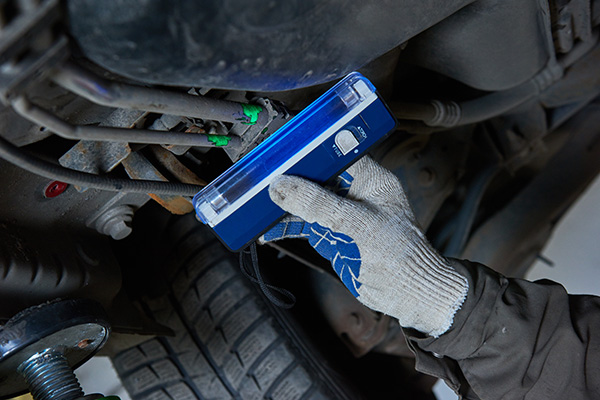
If the leak is slow, dye or electronic detection can help pinpoint it without guessing, and a quick inspection of line routing can catch rub-through risks before a new line gets damaged again. The goal is one clean repair plan that actually holds, not a cycle of refills and repeat visits.
Get A/C Leak Repair In Buda & Kyle, TX, With ME Automotive
If your A/C is not cooling like it used to, ME Automotive in Buda & Kyle, TX, can locate the leak source, explain what is urgent, and recharge the system correctly after repairs are made.
Book a visit before a small leak turns into a mid-summer breakdown.