Posted on 12/19/2025
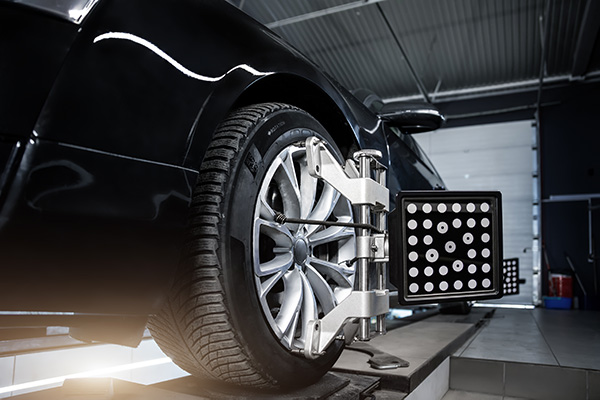
When your car feels “off” on the road, wheel alignment is one of the first things to suspect. Alignment simply refers to the way your wheels are angled and pointed relative to each other and to the car. When it is correct, the car tracks straight, the steering wheel feels natural, and your tires wear evenly. When it is not, the car can feel like it has a mind of its own and your tires may wear out long before they should. Knowing when and why to schedule an alignment can save you money and make driving a lot less tiring. What Wheel Alignment Actually Adjusts A modern wheel alignment is about three main angles: toe, camber, and caster. Toe is whether the front of the tires point slightly in toward each other or slightly out, which has a big effect on straight-line stability and tire wear. Camber is the tilt of the tire when viewed from the front, and too much tilt on either side can chew up the inner or outer edge of the tread. Caster is the angle that hel ... read more
Posted on 11/28/2025
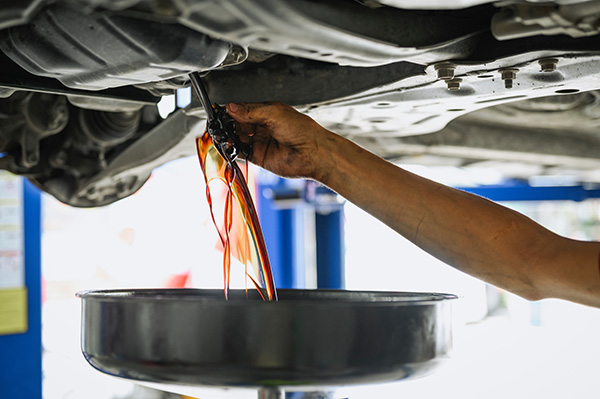
Skipping maintenance feels harmless until small issues stack up. Fresh fluids, quick inspections, and software checks ensure the engine, transmission, and cooling system work together in harmony, rather than fighting against each other. That means fewer surprises, better mileage, and parts that last longer. A steady service rhythm also builds a record, which helps resale and makes warranty conversations easier. Fresh Oil Protects Expensive Parts Engine oil is the thin film that keeps metal from touching metal. As miles add up, oil shears down, collects fuel and moisture from short trips, and loses the chemistry that keeps passages clean. Old oil lets varnish form on timing components and turbo bearings, which can create rattles at startup and sluggish response. Changing oil on time restores protection, quiets the valvetrain, and keeps the inside of the engine clean so sensors read accurately. Filters Do More Than You Think An oil filter traps part ... read more
Posted on 10/31/2025
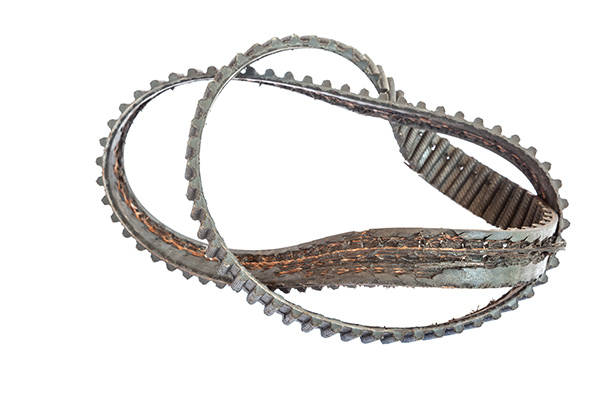
The timing belt is one of those parts you rarely think about, until something goes wrong. But when it fails, it causes major damage to your engine in seconds. Unlike a squeaky belt or a slow oil leak, a worn timing belt doesn't always give you obvious warning signs. That’s why it’s important to know what to look for before the belt snaps or skips a tooth. Here’s how to recognize the signs of a failing timing belt and why this maintenance item should never be ignored. What Does the Timing Belt Do The timing belt is a rubber belt with teeth that syncs the movement of the crankshaft and camshaft. This ensures that the engine’s valves open and close at the right times during each cylinder’s intake and exhaust strokes. If this synchronization is thrown off, even slightly, the engine can run poorly, or in most cases, not at all. In some engines (called interference engines), a broken timing belt can allow the valves to collide with the p ... read more
Posted on 9/26/2025
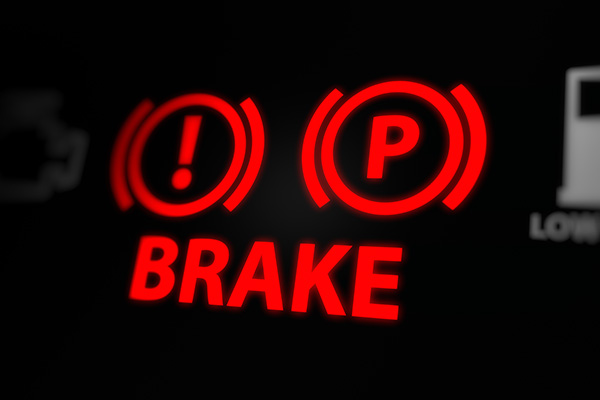
Your brakes aren’t just there for convenience. They’re the most important safety system on your vehicle. When they start making unusual sounds, it’s not something to ignore. A squeal, grind, or click isn’t just annoying. It often means something is starting to wear, loosen, or even fail. The sooner you address brake noises, the more likely you are to prevent expensive repairs and keep your vehicle safe on the road. Here’s how to decode the sounds your brakes might be making and what those noises usually mean. Squeaking or Squealing When You Brake High-pitched squeals are one of the most common brake sounds drivers report. Often, this comes from the wear indicators built into the brake pads. These are small metal tabs that scrape the rotor when the pad material has worn too thin. If you hear this sound consistently when braking, it’s a bui ... read more
Posted on 8/29/2025
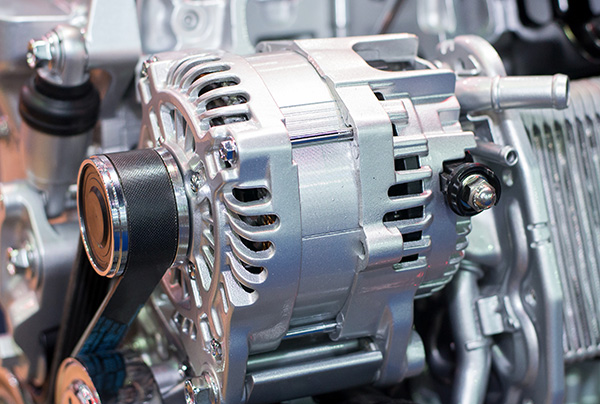
The alternator is one of the most important components in your vehicle’s electrical system. While the battery provides the initial power to start your engine, the alternator takes over once the engine is running, generating the electricity needed to operate your lights, air conditioning, radio, and other systems. It also keeps the battery charged so your car can start reliably. If your alternator starts to fail, you may experience a range of electrical problems that could leave you stranded if not addressed promptly. Early Signs of Alternator Trouble One of the first indications that your alternator might be failing is dim or flickering headlights. Since the alternator powers the lights while the vehicle is running, a drop in performance can cause them to lose brightness, especially at night or when using other high-power accessories. You may also notice dashboard lights acting strangely, with warning indicators appearing briefly before disappearing again. Ano ... read more