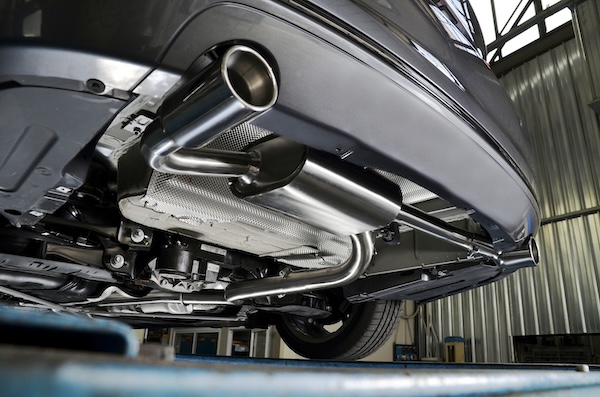
A noisy muffler is hard to ignore. Whether it’s a loud rumble, rattling sound, or sudden roaring noise, changes in your exhaust sound usually mean something isn’t right. While some drivers treat exhaust noise as an annoyance, it can signal underlying issues that affect performance, fuel efficiency, and even safety.
Understanding why your muffler is making noise can help you take action early and avoid more extensive exhaust system repairs.
What Does the Muffler Do
The muffler is a key part of your vehicle’s exhaust system. Its main job is to reduce engine noise by dampening sound waves produced during combustion. It also helps direct exhaust gases safely out of the vehicle and contributes to proper engine backpressure.
When the muffler or other exhaust components are damaged, the system can no longer control noise effectively. That’s when unusual or excessive sounds begin to appear.
Common Causes of Muffler Noise
Muffler noise can take many forms, and the type of sound often provides clues about the problem. Changes in exhaust tone, volume, or vibration should never be ignored.
Some of the most common reasons your muffler may be making noise include:
- Rust and corrosion: Moisture buildup inside the exhaust system can cause the muffler to rust from the inside out, leading to holes or weak spots.
- Exhaust leaks: Cracks or gaps in exhaust pipes, gaskets, or joints can allow exhaust gases to escape, creating a loud or hissing sound.
- Loose or broken components: Damaged hangers, clamps, or heat shields can cause rattling noises, especially when driving over bumps.
- Internal muffler damage: Worn or broken internal baffles can create a rattling or booming sound.
These issues often worsen over time if not addressed.
Why Muffler Problems Shouldn’t Be Ignored
A noisy muffler isn’t just an inconvenience—it can indicate problems that affect your entire exhaust system. Exhaust leaks may allow harmful gases to enter the cabin, posing a safety risk. They can also disrupt engine performance by altering airflow and backpressure.
In addition, exhaust system problems can reduce fuel efficiency and cause your vehicle to fail emissions testing. What starts as a small noise can eventually lead to more extensive and costly repairs if left unaddressed.
Different Sounds and What They Mean
The type of noise your muffler makes can help identify the issue. A deep roaring sound often points to a hole or leak, while rattling may indicate loose components or internal damage. A sudden increase in exhaust volume is usually a sign of structural failure in the muffler or exhaust piping.
Because exhaust components are exposed to heat, moisture, and road debris, they are especially prone to wear over time—particularly in older vehicles or those driven in harsh conditions.
How Muffler and Exhaust Issues Are Diagnosed
Diagnosing muffler noise requires a thorough inspection of the entire exhaust system. Technicians look for rust, cracks, loose mounts, and damaged connections. In some cases, specialized tools are used to detect exhaust leaks that aren’t visible during a quick inspection.
Professional diagnosis ensures the actual cause of the noise is addressed, rather than just masking the symptom.
When to Schedule Exhaust Service
If your vehicle suddenly becomes louder, makes rattling noises, or sounds different than usual, it’s time to have it checked. Even minor exhaust noises can escalate quickly, especially if corrosion or leaks are involved.
Prompt service can help restore quiet operation, improve engine efficiency, and protect your vehicle from further damage.
Get Your Muffler Checked in Buda and Kyle, TX
A noisy muffler is your vehicle’s way of telling you something needs attention. Ignoring the sound won’t make it go away—and it could lead to bigger problems down the road. If your muffler is making unusual noises in Buda or Kyle, TX, contact ME Automotive today to schedule an exhaust system inspection.