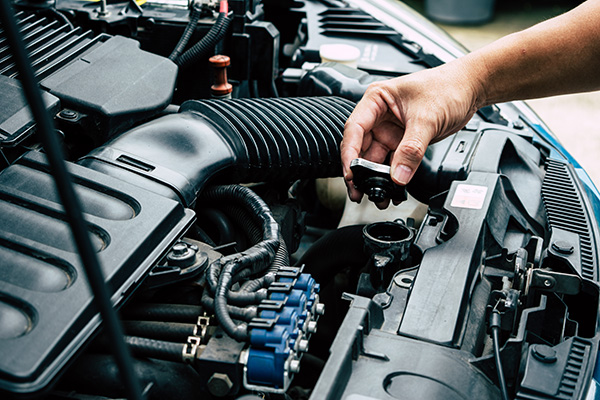
Coolant does more than keep the engine from overheating. It also helps protect the radiator, water pump, heater core, hoses, seals, and internal engine passages from heat, corrosion, and buildup. When coolant gets old or contaminated, the cooling system can lose some of that protection.
A coolant system flush can help when the fluid is dirty, weak, rusty, or past its service life. It is not a magic fix for every cooling system problem, but it can be an important part of keeping the system clean and better protected. The key is knowing when a flush makes sense and when the vehicle needs repair first.
What A Coolant System Flush Does
A coolant system flush removes old coolant and helps clear out contamination from the cooling system. Fresh coolant is then added in the correct type and mixture for the vehicle. The goal is to restore better corrosion protection, heat transfer, and coolant quality.
Over time, coolant can become acidic, dirty, or weak. It can collect rust, scale, sediment, and debris from aging parts. If that old fluid stays in the system too long, it can contribute to restricted flow, overheating, leaks, and damage to internal cooling system surfaces.
How Fresh Coolant Protects The Radiator
The radiator helps release engine heat into the air. Coolant flows through small passages inside the radiator, and airflow removes heat as the vehicle moves or as the cooling fans run. If those passages become restricted by rust or buildup, the radiator cannot release heat as well.
Fresh coolant helps protect the radiator from internal corrosion. A flush can also remove some loose debris before it creates deeper restrictions. If the radiator is already clogged, leaking, or damaged, a flush alone will not repair it. That is why the radiator should be inspected before recommending the service.
Why The Water Pump Depends On Clean Coolant
The water pump keeps coolant moving through the engine, radiator, heater core, and hoses. It has seals and bearings that depend on proper coolant condition. Old or contaminated coolant can be rough on those parts, especially if corrosion or debris starts circulating through the system.
A weak water pump can cause overheating, coolant leaks, grinding noises, or poor coolant flow. A coolant flush can help protect a healthy pump, but it cannot restore a pump that is already leaking or worn. If there is noise, coolant dripping near the pump, or rising engine temperature, the water pump needs to be checked before the flush is treated as the answer.
Coolant Condition Can Affect Engine Temperature
The engine depends on coolant to absorb heat and move it away from the hot internal parts. When coolant is old, diluted incorrectly, or contaminated, it may not handle heat as well as it should. That can make the engine more vulnerable during traffic, towing, hot weather, and long drives.
Poor coolant condition can also contribute to corrosion inside the engine block and cylinder head. Once corrosion, scale, or sludge forms, coolant flow can suffer. Regular maintenance helps reduce that risk by keeping the fluid in better condition before overheating becomes the symptom that gets your attention.
Signs Your Coolant May Need Service
Coolant service should be based on the vehicle’s schedule, fluid condition, and symptoms. Some signs deserve a closer look:
- Coolant looks rusty, dark, or dirty
- Sweet smell after driving
- The temperature gauge runs higher than normal
- Coolant level keeps dropping
- Heater performance changes
- Visible sediment in the reservoir
- Coolant service history is unknown
These signs do not always mean the vehicle only needs a flush. Leaks, bad fans, thermostat trouble, radiator restrictions, head gasket issues, and water pump problems can create similar clues. Testing helps separate fluid service from repair needs.
When A Coolant Flush Is Not Enough
A coolant flush is helpful when the system needs fresh fluid, but it should not be used to hide a mechanical problem. If the vehicle is overheating, losing coolant, steaming, or showing pressure problems, the cause must be identified first. Flushing a leaking or failing system can leave the real issue unresolved.
For example, a stuck thermostat can block coolant flow. A bad radiator cap can affect system pressure. A weak fan can let temperatures rise in traffic. A leaking hose can lower the coolant level. A flush will not fix those parts. A proper inspection should come before service when symptoms are already present.
Why The Correct Coolant Type Matters
Different vehicles require different coolant types. Mixing incompatible coolants can create sludge, corrosion, or reduced protection. The color of coolant is not always enough to identify it correctly because different formulas can look similar.
Using the correct coolant and mixture protects the system better than topping off with whatever is nearby. Water quality also matters because minerals can contribute to deposits. A professional coolant service uses the right fluid for the vehicle and checks for leaks, pressure loss, and worn parts.
Get a Coolant System Flush In Texas, With ME Automotive
If your coolant is dirty, overdue, or low, or your vehicle is showing cooling system concerns, ME Automotive can help drivers in Buda, TX, and Kyle, TX, check the radiator, water pump, hoses, thermostat, fans, and engine cooling system.
For coolant system flush service or cooling system repair, contact us to schedule an appointment.